Unspun.
What actually happened in AI this week — without the hype. Four categories. Plain English. No panic.

“I was early to a feeling they measured four years running and called a messaging problem.”
You're not late on AI
Regular people still are not sold on AI. Pew found most Americans more concerned than excited, and that unease is not a personal failing.

The headlines treated this as a Gemini dunk. The part worth keeping is quieter: a chatbot can sound sure about a packing list and still be wrong in a way that matters, and the people who own the trail already told you who to call.
Three hikers used Gemini to plan Mount Shasta. The mountain needed more than the packing list.
Three hikers used Gemini to plan a Mount Shasta climb. The sheriff's advice: treat the packing list as a first draft, then call the ranger station.

“Someone forwarded me ChatGPT for Financial Services like I was supposed to upload last year's tax return.”
ChatGPT for Financial Services is for banks, not your tax folder
OpenAI launched ChatGPT for Financial Services for banks. It is not a household money app, and it is not a reason to paste your bank statements.
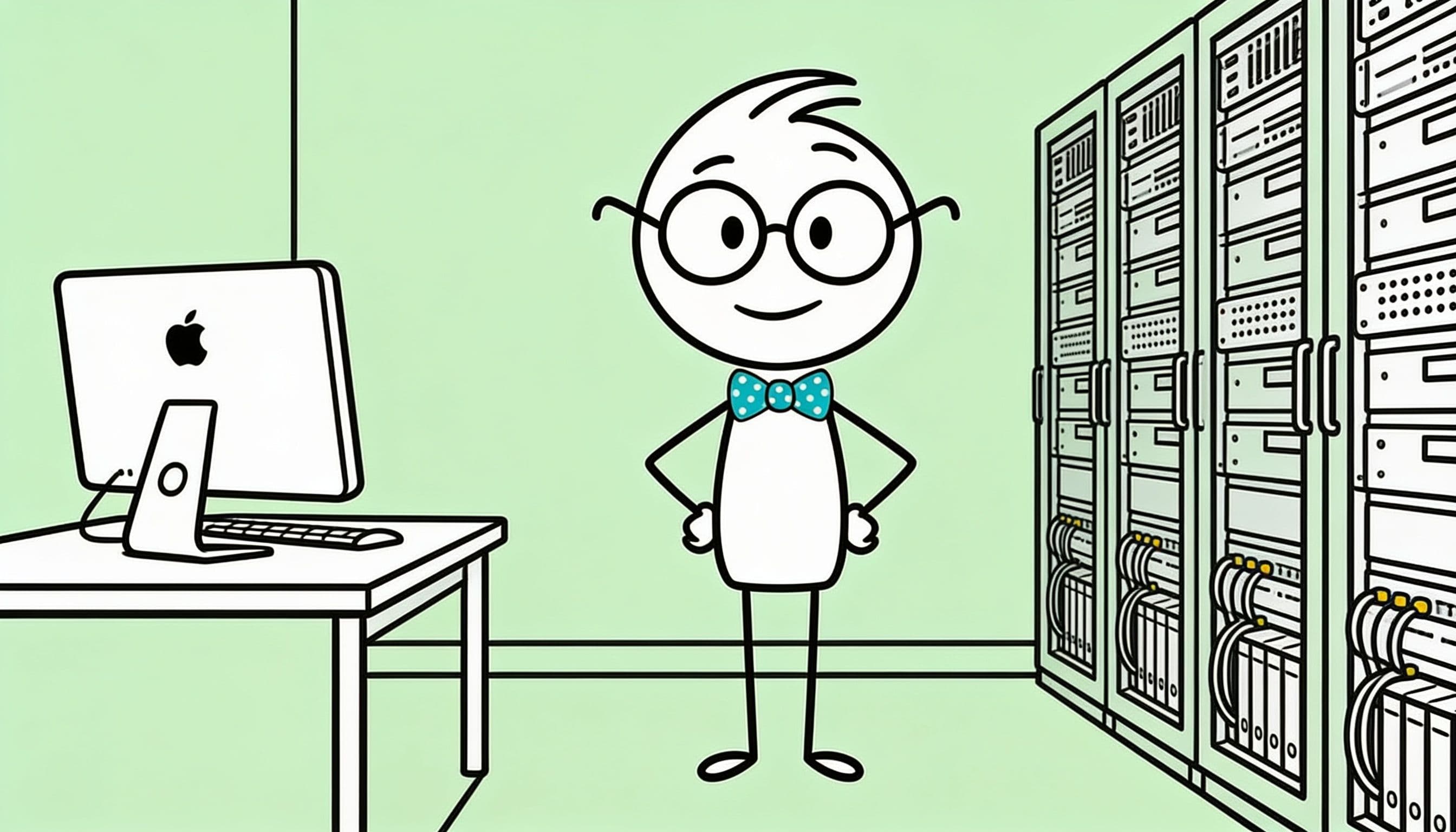
“Someone sent me Apple's new AI computer like I was supposed to feel behind.”
You don't need Apple's new 'AI Mac' to use AI
Apple's new Mac mini and Mac Studio are built for local AI. If you use ChatGPT, Claude, or Gemini in a browser, you do not need one.
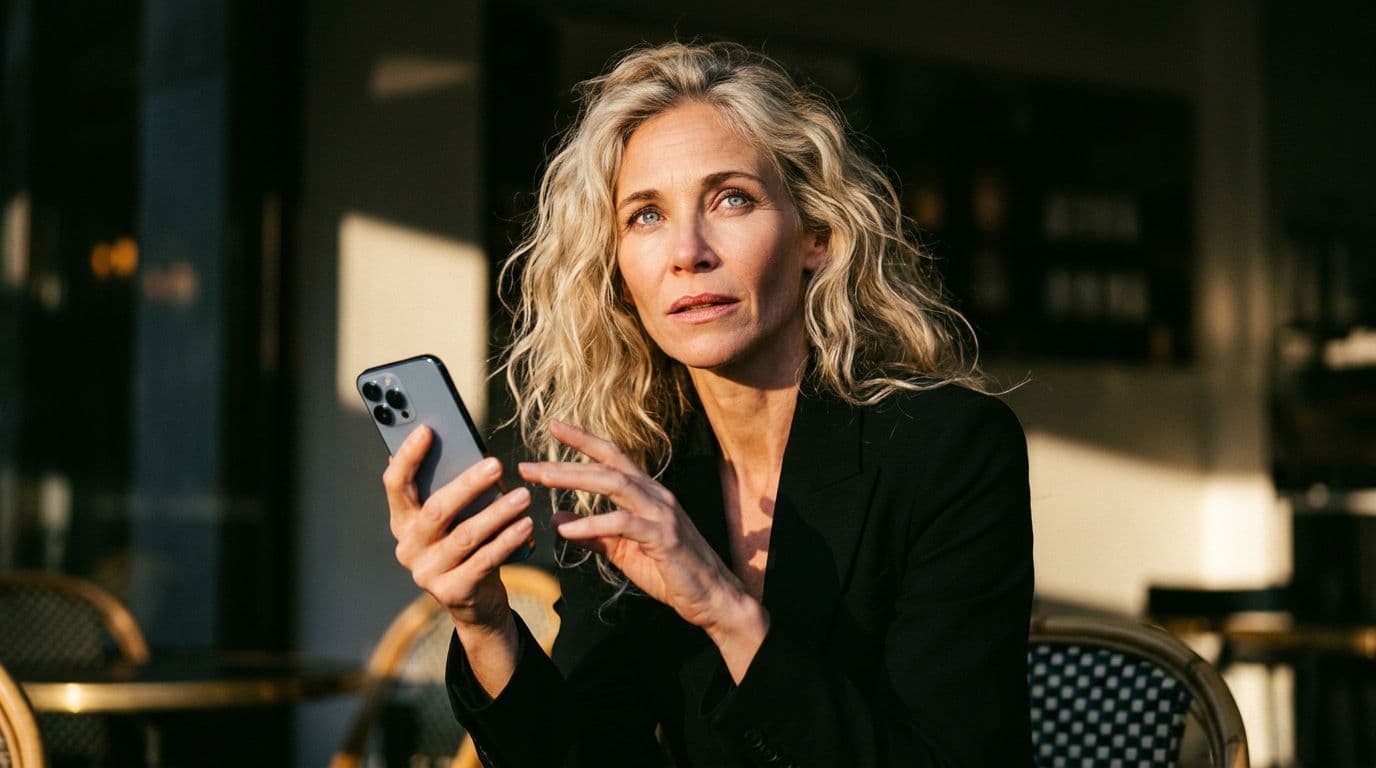
Most coverage treated this as Google going soft on AI labels. The useful split is narrower: the logo is optional, while the less-visible identification remains.
Google now lets you hide its visible AI watermark. The invisible mark stays
Google now lets Gemini users hide the visible AI watermark. SynthID and Content Credentials remain, so a clean image is not proof a person made it.

What AI slang do I actually need to know?
You need a short list of AI words, not a whole dialect. Learn prompt, hallucination, slop, LLM, deepfake, and agent. Let the rest wait.

You shouldn't have to learn Spark vs Chat vs Cowork to send an email
AI apps keep asking ordinary people to choose between Spark, Daily Brief, Chat, Work, and Cowork. The app should do that homework.
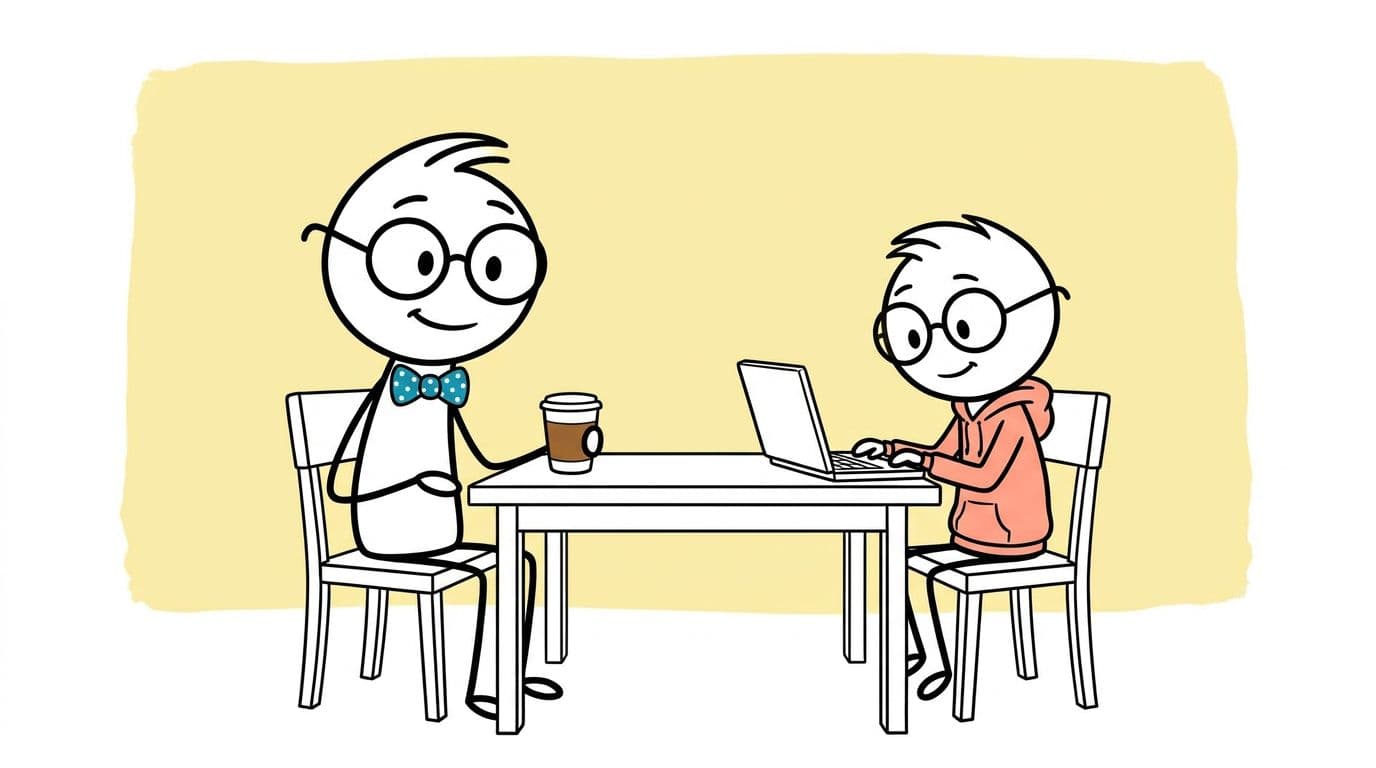
When is my kid allowed to use AI on homework?
If the homework is unlabeled, treat it as red. Yellow only when a teacher names the tools. A kitchen-table rule for tonight.
How to write a social post that sounds like you
A social post sounds like you when you draft the real sentence first. Use AI to tighten, not invent. Here's the order that keeps your voice.

Are highly educated workers the ones most exposed to AI job changes?
California data found stronger AI-exposure layoff signals among college-educated workers, not a broad statewide jobs panic.
Why calling AI agents your 'coworkers' can backfire
Treating AI agents like coworkers sounds collaborative until oversight slips. The framing quietly changes who catches mistakes.

The twenty minutes ChatGPT doesn't count
The five-minute AI draft can hide fifteen minutes of checking. A survey of 6,000 workers gave that unpaid work a name: botsitting.

Most of the coverage treated this as a new place to buy ads. For people who actually use ChatGPT, two smaller facts matter more: a labeled pitch can sit under the advice you asked for, and paying is neither the only way off the ads nor a guarantee of silence.
Ads just showed up in ChatGPT — how to tell an answer from a pitch
ChatGPT ads may appear on Free and Go. Free users can now remove them without paying, but with lower limits and fewer tools.

The coverage treated this as OpenAI's safety comeback. For anyone helping a teenager with homework — or wondering whether a grandchild already has an account — the useful story is narrower: what got switched on by default, and which settings you can actually check.
ChatGPT for Teens is live — and some under-18 accounts are already in it
OpenAI launched ChatGPT for Teens. The useful story for families is what changed by default, and which parental controls still require setup.

Coverage treated this as a YouTuber apology. The reason it cleared our filter is quieter: a trusted science explainer named a habit a lot of smart adults already feel and do not want to say out loud.
When AI help stops being healthy — what Hank Green admitted out loud
Hank Green said his ChatGPT habit was not healthy. The useful test: is AI helping you think, or starting the thought for you?

Most of the coverage treated this as Spotify versus AI musicians. That is the industry fight. The listener question is smaller and more useful: when a new artist shows up in Discover Weekly, is there a person behind the name, and will the app keep feeding you more of them without asking?
Spotify badges AI-generated artist identities — and keeps them out of Discover Weekly
Spotify badges AI Persona profiles and keeps them out of recommendations unless you follow. The badge marks identity, not how the song was made.

A lot of AI-music coverage lumps every generated track into one moral pile. This week's useful story is narrower: Spotify is building a paid remix-and-covers toy that only works when artists and songwriters opt in — and Merlin plus Kobalt just made that path available to larger independent rights-holder networks.
Spotify's AI covers and remixes: consent, credit, and what listeners will actually get
Spotify's planned AI covers and remixes add-on is opt-in, licensed, and still not broadly live. Here's what Premium listeners should know.

This announcement was covered as a product launch. For anyone who has ever screenshot a lab PDF into a chat window, it is mainly a privacy-and-control story — and a manageable one, if you read the settings before you connect anything.
ChatGPT Health can connect Apple Health and medical records. Connecting is optional — and still not a doctor
OpenAI's Health in ChatGPT lets U.S. adults optionally connect Apple Health and medical records. What connects, what it won't do, and when to skip it.

Most coverage framed this as an industry infrastructure story — and then rounded a 20% versus 5.9% jump to a tidy four times. For people who pay a household power bill, the useful story is still simpler: the "cloud" is made of buildings that drink electricity, and in some regions that is already showing up in prices.
U.S. data centers could account for about 20% of national electricity consumption by 2035 — and that already touches bills on some grids
BNEF projects U.S. data centers could account for about 20% of national electricity consumption by 2035. What that means for bills and regional grids.

Most of the coverage treated this as a frontier-lab scoreboard. For people who just use ChatGPT in daily life, the useful story is narrower: three named tiers, who gets which one, and what you do not need to rearrange yet — including after the July 30 price cut on the cheaper tiers.
OpenAI released GPT-5.6 Sol. Here's what changes for everyday ChatGPT users
OpenAI's GPT-5.6 Sol, Terra, and Luna launch matters most as a model-picker map, not a reason to rebuild your AI habits.
Most of the coverage framed this as Google being transparent. That is half the story. The more useful half is what the label does not tell you — and why that gap is the thing to understand before you trust it.
Google Will Now Label Some Ads as "Made With AI." What That Label Actually Means.
Google's started labelling ads that were made with AI — which is handy, but only some are checked automatically.

This was covered as a story about a clever new Meta feature. That is the wrong lens. It is a privacy story — and, unusually, one you can settle in about thirty seconds with a setting you already control.
Meta's New Image Tool Can Use Your Public Instagram Photos. Here's How to Turn That Off.
Meta brought out an AI image tool that can use photos from public Instagram accounts without telling you — but you can switch it off in your settings in about thirty seconds
 thinking
Is My Job Actually Safe?
Everyone's wondering. Nobody's asking it the right way. Here's the honest version, and the question that's actually worth asking instead.
AI can be easy. Plain English. No hype.
We curate what matters and nothing else. Plus a free printable prompt sheet when you subscribe.