For a child and their favorite grown-up.
Ten afternoons
you don’t have to
think of.
What Shall We Make? is a PDF book of ten things to make with a child, an afternoon each: a creature, a story, a song, a comic, an invention, a game. You sit at the keyboard. They decide what you’re making, what’s wrong with the first try, and when it’s finished.
For children of six to twelve, and any grown-up who’d like something good to do with one. No AI experience needed on your side, and the child never needs an account: yours is the only one in the room.
- 10 sessions, two depths each — a quick version and a harder one, the child chooses, no ages on either
- The Kevin Check — one question that keeps every session honest, and a game for playing it
- The Fridge Rules — four lines, for the child and for you
- 6 printable keepers + a companion page that names the apps, checked regularly and dated
Buying it for someone? This product was built for that. Here’s how gifting works.
Real pages from the guide. Have a flip through.— Kevin
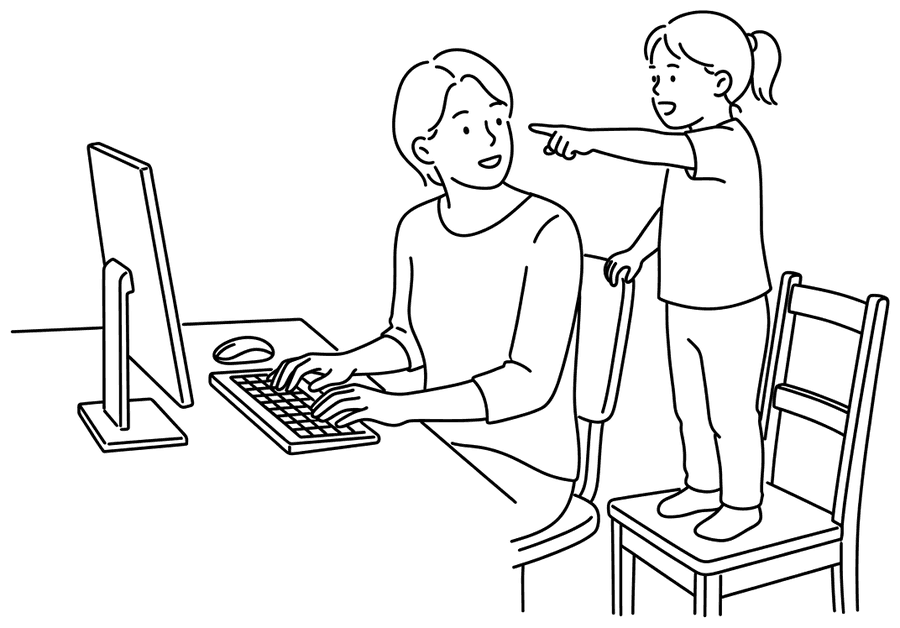
The adult drives. The child directs.
You type. They run the show.
Here is the arrangement. You operate the machine, on your own account. The child decides what you’re making, tells you what’s wrong with what comes back (immediately, with total confidence), and announces when it’s finished, because it’s theirs. You’re not the assistant and you’re not the teacher. You’re the driver, and drivers matter.
It’s also the rule, and we’d rather say so than be vague about it. These tools are built for adults, and each one’s own terms say so in its own changing way. You don’t have to track any of that: this book never puts the keyboard anywhere but in your hands. The child gets the interesting half of making things with AI, the choosing and judging and improving. You get the typing.
At twelve, every major AI tool is either off limits or needs an adult in the loop, but a twelve year old deserves more freedom than a 6 year old. This workbook never hands over the keyboard, but the harder depth of every session was written with the top of the range in mind: writing the rules before anything is made, holding a secret ending, setting the exam. Harder, stranger, more theirs. No age printed on it.
Ten to choose from. The child chooses.
Every session makes one thing that exists at the end of the afternoon: on paper, on the fridge, occasionally in the family vocabulary for years. Each has two depths. Make It gets to something good fast. Level It Up changes the child’s job, from reacting to designing. The child picks, every time, and the book never says which one is theirs.
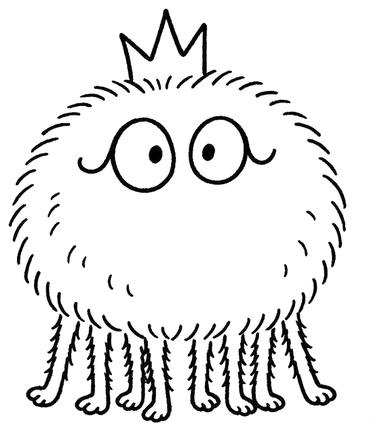
Invent a Creature
make up an animal nobody’s ever seen. Then make it weirder.
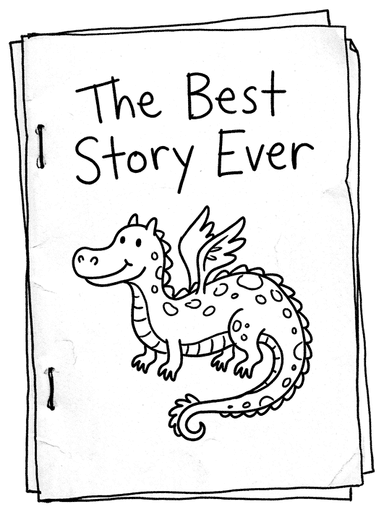
A Story With a Hero
a story where we decide the ending. All of it.
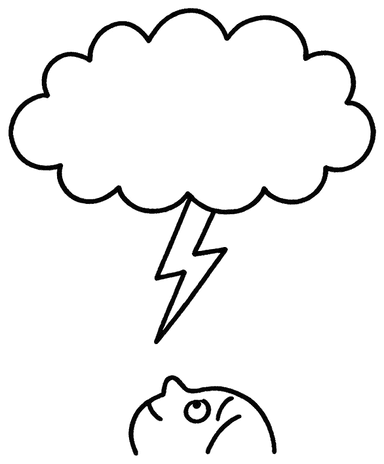
I Wonder…
ask the thing you’ve always wondered. Then check it got it right.

A Ridiculous Song
a real song about something that doesn’t deserve one.

Time Machine
interview your grown-up about the old days. Keep the best story.
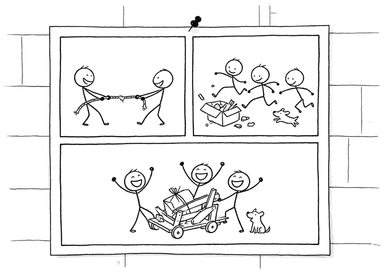
A Comic of Something That Happened
that thing that still makes us laugh, in three panels.

Catch It Out
the game where we try to catch the machine making things up.
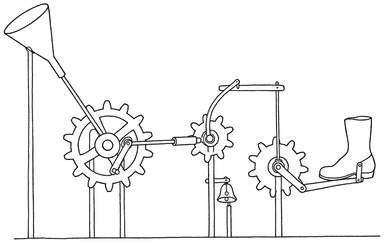
Invent Something That Shouldn’t Exist
a machine the world doesn’t need. Patent it.
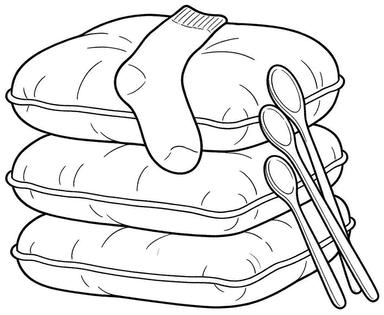
Invent a Game
new rules, stuff from the house, and then we actually play it.

You Teach Me
you know something we don’t. Teach it, and we’ll make it a book.
Any one. Any order. Choosing is the first job.
The menu is one of the six keepers: print it, hand it over, and the choosing can start before you’ve opened the book.
Every afternoon, the same five moves.
By the third afternoon you’ll know where everything lives without looking, and you’ll be running a session from the menu card alone. That’s the design: a structure you learn once and the child never has to.
Without it, an afternoon with AI is a child asking a machine for things and everyone watching. With it: I had an idea. It had a go. I decided what was wrong. I fixed it. I chose what was worth keeping. Run that a few times and it becomes how they treat everything a machine hands them.
Set as a visual element on every session’s second page. Two acts: one spoken, one typed.
“We’re inventing a creature. Anything you like. What’s it got?”
“Describe a creature with [everything they just said]. Give it a name, tell us what it eats, and give it one bad habit.”
Then get out of the way, because the first version is always wrong, and hearing exactly why is the moment the session starts.
Stop while it’s still fun. The session doesn’t end when the thing is finished. It ends the moment before anyone’s bored.
Made by ______ and ______, with help from AI
It says who the makers were, and it says nobody pretends the machine wasn’t there. Both are worth being in the habit of.
The Kevin Check: the grown-up version of “AI makes mistakes.”
One question runs through every session, asked out loud in a tone of cheerful curiosity. It’s a game, not an alarm. And the answer is not always “go and check.” Sometimes the answer is doesn’t matter, we’re inventing a monster, and that’s the right answer. A machine can’t be wrong about a creature that doesn’t exist. It can be wrong about why lightning happens.
That distinction is the sophisticated part, and it’s far better than a flat rule. What the child learns, one rung per session, is when being wrong actually matters. Session 7 turns it into a game: the machine tries to fool the family, on request, and the family tries to catch it. Children turn out to be naturals.
The machine isn’t lying when it makes things up, and it isn’t proud when it’s right. It isn’t anything. It’s a question machine that will keep having a go, and having a go is not the same as knowing.
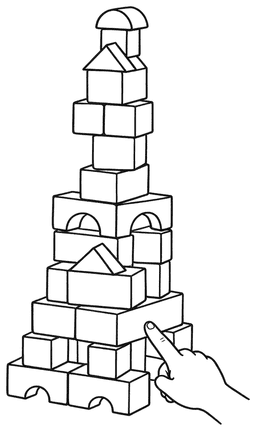
Find the one fact that, if wrong, brings the whole answer down. Check exactly that.
Not for reciting. For climbing in passing, one rung per session, until the child asks the question before you do.
- Keep private things private.
- AI can be wrong.
- AI is a tool, not a person.
- For important things, check with a person you trust.
Both directions. The private list (names, school, address, faces, voices, passwords, family and health matters) is the child’s and yours, because grown-ups turn out to be the ones handing over real names and family history, usually while being charming. The third rule is the one adults skip, and the one that matters most as these machines get more charming themselves.
A collection, not a curriculum.
Sooner or later the Things We Made folder stops closing flat, and that’s the finish line this book actually cares about. Not a set of finished pages. A pile of evidence that the afternoons happened, every piece signed by hand, every piece with a story attached that the two of you know and the machine doesn’t.
Children reread their own work the way adults reread old letters, and a folder they can hold beats any camera roll they can scroll. The back of the book is about what to do with the pile: tip it out every month or so, and give things away, because made things are for handing over.
- A creature on the fridge, named, with one bad habit
- A stapled story, read aloud twice
- A lyric sheet, chorus in large type, and a song that gets requested
- A memory card, propped on a shelf or tucked in a wallet
- A comic in the hallway, where the person it happened to has to walk past it
- A report card the child wrote for the machine, in pencil
- A patent, stamped patent pending forever
- A game with a name, in family canon by next week
- A small book with the child credited as its author
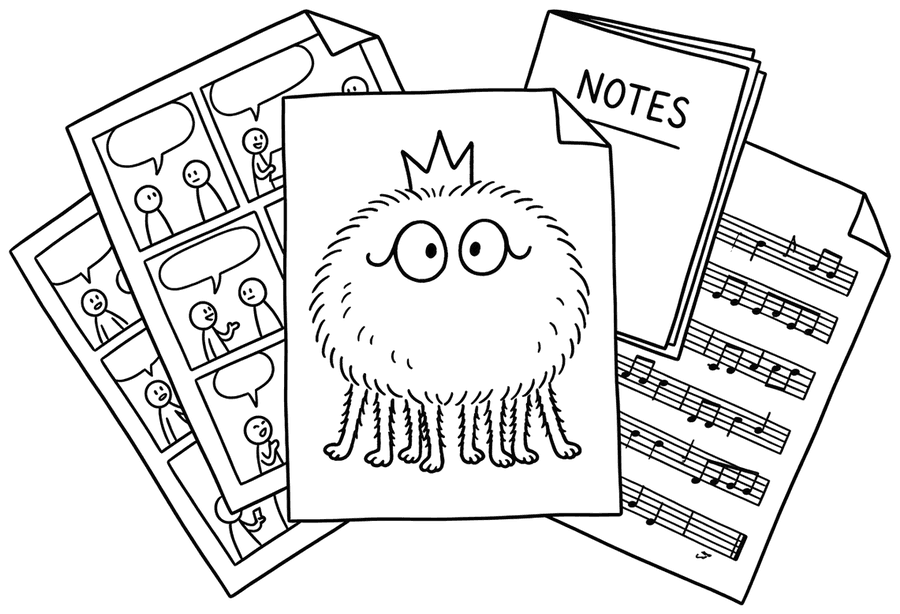
Things We Made
Print it, staple it to any folder, start collecting. The rest of the page is deliberately empty; it fills up on the outside.
The book names no apps.
Its companion page names them, and dates every check.
Which app draws, which one sings, what’s free, and what each tool allows for a child: those change without notice, and a book that printed them would be wrong within the year. This one planned for that. The afternoons in print never expire, and everything that expires lives on one companion website page.
Password-protected; the password is printed in your copy of the book, front and back.
The afternoons don’t expire. This is the part that updates.
Nobody pays to be recommended here. No affiliate links. The advice has no side.
Some people would rather have a quiet week with the machine on their own before there’s a child at their elbow with opinions. That instinct is sound, and it has a home here: start with our beginner’s door and come back whenever you like. This book will keep, and so will the child’s opinions.
(And nothing in this book requires AI skill on your side. It tells you what to say and what to type, session by session, and the first good result arrives in about five minutes.)
No AI experience. No subscription. No prep.
And one honest line about what it can promise: ten afternoons somebody else planned, a first good result in about five minutes, and a child who leaves each one having been in charge of a machine rather than watching one. The pictures won’t look like your family and the machine will make things up; the book says both before you start, because catching it is half the fun.
One payment. Yours forever.
No subscription. No urgency. Ever.
- The Book. 80 illustrated pages, as a PDF. Download it, print it, keep it forever.
- Ten Sessions. An afternoon each, two depths each, the child chooses. Any one, any order.
- The Kevin Check and the Fridge Rules. One question and four lines, threaded through every session and printed for the fridge.
- Six Keepers. The menu, the Fridge Rules, the ladder, the mark, the folder cover, the gift card. One page each, printable, US Letter.
- The Companion Page. Which apps can do each session, checked regularly and dated, plus four seasonal twists a quarter. The password is printed in your book.
- The Gift Card. Ten things to make together, and the child chooses the first one. In the book and as a printable page.
Instant PDF download · local currency shown at checkout.Payment is handled by Paddle. We never see your card.
Not quite the one?Find the guide you actually need.
Six guides, one job each. Pick the sentence that sounds like you.
Questions, before you decide.
You don’t have to be the techy one.
You just have to bring something good to do together. Ten afternoons, one question, four rules for the fridge, and a collection at the end. One payment of $27 USD. Yours to keep.
Local currency shown at checkout.Payment is handled by Paddle. We never see your card.
You’re not really giving a book.
You’re giving ten afternoons.
A creature with a name, a song that gets requested for years, an interview with a grandparent, a game that enters family canon. This was built to be given, which is why the book ends with a card that says what the two of them will do, and the child chooses the first one. Any month works. Nothing in the ten sessions belongs to December.
It’s a PDF you own outright, so gifting is simple: buy a copy, give that copy. One bought copy per household you gift, honor system, and part of what keeps the price sensible.
Buy their copy
Use your own email at checkout; the download link arrives in your inbox.
Download the PDF
The whole book, the six keepers and the companion-page password included. No account for them to set up, and none for the child, ever.
Hand it over
Send it or print it, with the gift card and the menu on top, so the choosing can start before the book is opened.