This was covered as a story about a clever new Meta feature. That is the wrong lens. It is a privacy story — and, unusually, one you can settle in about thirty seconds with a setting you already control.
Meta's New Image Tool Can Use Your Public Instagram Photos. Here's How to Turn That Off.
This week Meta launched Muse Image, a tool inside Instagram and Facebook that lets people generate and edit AI images. One capability drew immediate criticism: if your Instagram account is public, another user can tag your account and pull your photos into an image they are creating — and you are not notified when they do. *We read Meta's own announcement, TechCrunch's reporting, and Instagram's help documentation, specifically to confirm two things: who is affected by default, and whether there is a genuine opt-out or just the appearance of one.* There is a genuine one. If you have a public Instagram profile — a great many people over 50 do, often without having chosen "public" deliberately — this applies to the photos you have already posted, not just future ones. That is the part worth two minutes of your attention today.
The mechanism is straightforward. Muse Image can draw on photos from any public account. Private accounts are excluded automatically, as are accounts belonging to under-18s. Everyone else is opted in by default — which is the crux of the objection. Consent is being assumed rather than asked for, and Meta's history makes that a fair thing to be wary about. In 2019 the U.S. Federal Trade Commission fined Facebook $5 billion for misleading users about how much control they actually had over their own information. That is context, not ancient history.
Here is the honest editorial position: the underlying worry is legitimate, but the practical exposure for most of our readers is smaller than the headlines suggest — and it is entirely within your control. This is not a case where you are helpless and must simply hope for the best. Two settings decide the whole thing: whether your account is public, and whether "reuse" is switched on. You can change both yourself, right now, without deleting anything or leaving the app.
What earns the criticism is the default. A feature that reuses ordinary people's photographs should ask first, not make you go looking for the off switch. It did not, so we are pointing you to the switch.
This is the situation as of July 2026. Meta adjusts these settings and their locations regularly — if the menu path below has moved, look for "Sharing and reuse" within your settings.
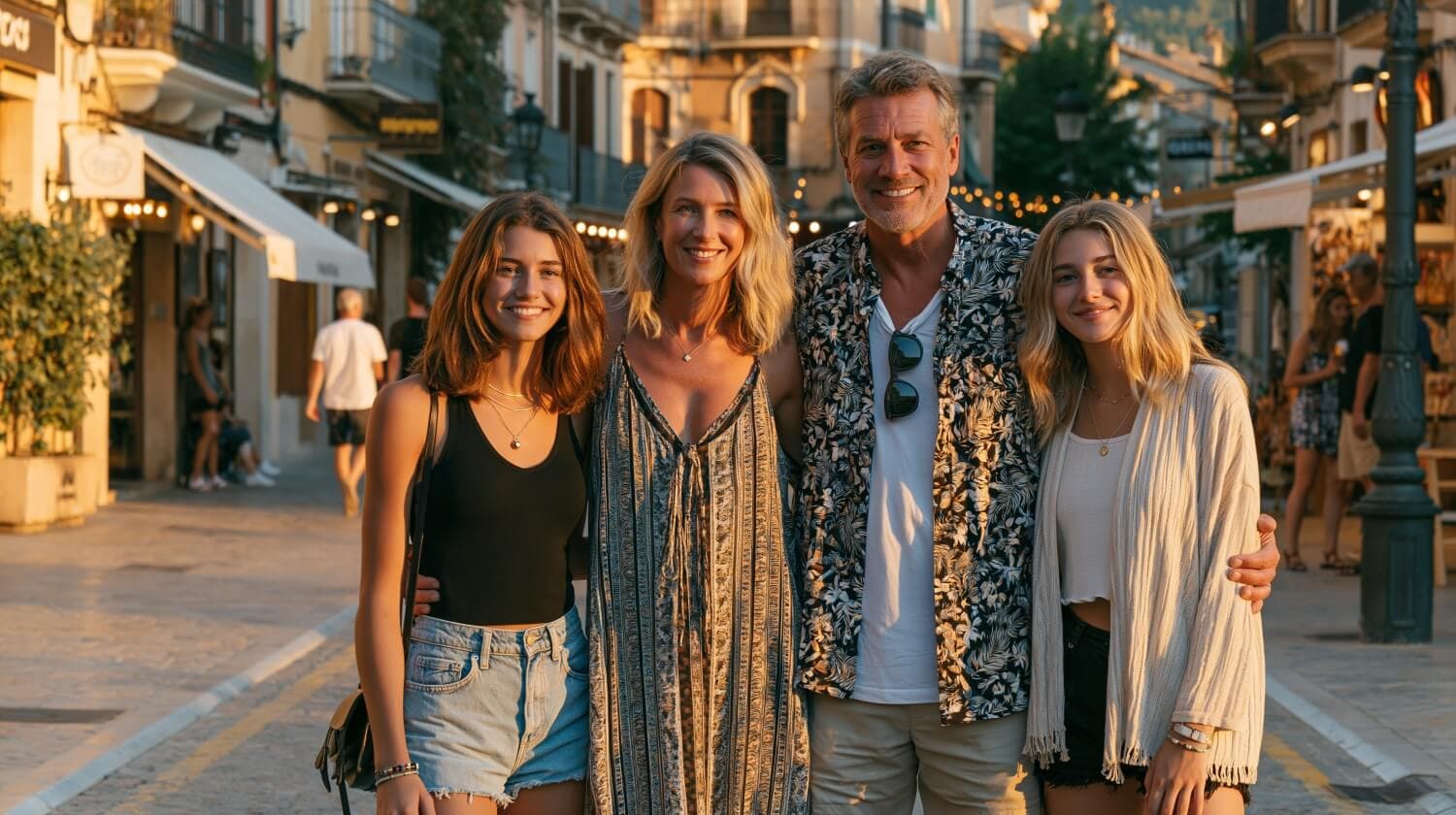
The people most affected are not public figures. They are ordinary account holders who never thought of their holiday and grandchildren photos as raw material for a stranger's AI image. That is precisely who this is for.
If you post photos of family, grandchildren, or yourself to a public Instagram account, the honest frame is that those images are currently available to Muse Image unless you turn reuse off. Before you decide it does not matter, it is worth knowing that the fix takes about thirty seconds and does not require you to make your whole account private or stop posting. Do it once and it stays done.
The remarkable thing is not that a company built a tool like this — it is that the burden of saying "no thank you" quietly became yours, and almost nobody was told where the switch lives.
Questions people ask
Can Meta's Muse Image really use my Instagram photos?
If your account is public, yes — another user can tag your account and use your photos in an AI-generated image, and you aren't notified. Private accounts and under-18 accounts are excluded automatically.
How do I stop Muse Image from using my Instagram photos?
On Instagram, go to your profile, tap the three lines top-right, choose "Sharing and reuse," and switch off "Allow people to create with and reuse your content" for both posts and reels. It takes about thirty seconds.
Does making my Instagram account private protect me?
Yes, for this feature. Muse Image only draws on public accounts, so switching to private excludes you automatically — as does being under 18.
The tools in this piece
- What Midjourney actually does, and who it’s forThe image generator known for sheer beauty. If you want pictures that look like art, this is the one people reach for.
- What ChatGPT Images actually does, and who it’s forOpenAI's image generator and editor built directly into ChatGPT. Describe a picture or upload one to change it in plain language.
- What Stable Diffusion actually does, and who it’s forA downloadable image-model family that can run on your own machine, with free community licensing for most individuals and small organizations.